
What a conversation in Bunnings taught me about being recognised, building trust and making sure you’re not wasting that visibility.
A few years ago, I was at Bunnings when a woman came up to me with her kids, said hello, used my name and launched into a conversation.
She was lovely. I wish I could tell you more about what we discussed, but I was barely listening because I was desperately trying to work out who she was.
Was she a client? Had I met her at a workshop? Did I know her through the kids?
This is a particular kind of anxiety for me. When someone clearly knows me and I can’t place them, I spend the whole conversation searching my memory while trying to look like a normal person who is fully engaged and knows exactly what’s going on.
Towards the end of our chat, she said something along the lines of, “Oh, this is so funny that I’ve run into you. You don’t actually know me, I’ve just been following you on Instagram for ages and I feel like I know you.”
My relief was intense.
I also really wished she’d led with that and I could have enjoyed the conversation instead of spending it in a mild state of panic.
I’ve thought about that encounter quite a bit over the years, because from her side, she’d bumped into someone familiar. She’d heard me talk, seen bits of my life and formed an impression of me over time. From my side, I was meeting her for the first time, with no idea that any of that had happened.
It’s an odd experience, and one that becomes more likely when the people following you live in the same place you do.
I’ve lived regionally for almost half my working life, and I think this proximity deserves more attention in conversations about marketing because I think it affects what we say and do more than we want to admit.
A lot of the generic marketing advice out there assumes we’re communicating with people we may never meet. We’re taught to build an audience, increase our reach and move people towards a transaction. There’s much less discussion about what happens when someone who watches your videos is also shopping for mulch at Bunnings.
Or when the person considering your services knows you through school, has worked with your partner, or remembers you from a job you left years ago. By the time they find your website, they may already have an opinion about you. Sometimes you’ll have had a part in forming it, often it will be based on something you didn’t even realise they’d seen.
That can be helpful, but it can also make things complicated.
Being known in a community doesn’t necessarily mean people understand your business
I think we sometimes forget this, because familiarity feels like awareness. People know your name, recognise your face and say hello - so you assume they know what you can help them with.
Meanwhile, maybe your work has changed - I know mine has. Over the years they’ve known you, you’ve gained experience, developed new services or moved away from what you started with. The local understanding of you might not have caught up.
Then you feel awkward explaining it because surely everyone already knows OR you assume everyone knows and don’t put enough effort into being clear about the changes.
There’s also a particular discomfort in promoting yourself to people who know you
Posting for strangers can feel easier than putting it in front of someone you’ll see at swimming that afternoon. Before you’ve hit post, you’re already feeling awkward about that silly lip-sync reel you just made.
That hesitation can give you enough time to pull back, to remove a sales call-to-action, or ditch the video you’ve been working on for two hours. It can mean you leave important information out because you feel like you’ve said it all before.
Self-promotion and founder-led content is hard when you’re in a small town. You still have to stand in line at the checkout and have ordinary conversations with people. If you’re like me, you’d like to buy your milk in your track pants and messy bun without feeling like you’ve brought your sales pitch with you.
But people need enough information to recognise when you might be able to help them, or someone they know. We make that harder when we keep our communication vague because being specific feels a bit too forward or a bit too forced.
The other side of this proximity is that people can compare what we say with what they experience
If we say we’re easy to deal with, they’ll find out when they try to book. If we talk about supporting local businesses, they may notice who we recommend and where we spend our money. If something goes wrong, the way we respond can become part of what people understand about us.
The person reading your latest Instagram post may have been in your shop yesterday or they may be waiting for you to return their call. They may have recommended your services to a friend and be hoping that recommendation works out. You may have pushed ahead of them in the supermarket today or had a disagreement with another parent at Netball on the weekend.
That person is bringing all their experiences with you to whatever you publish, which is why I find it difficult to separate marketing from customer experience. You can put a lot of effort into describing your business a certain way, but the people dealing with you get to decide whether that description holds up.
Of course, living locally doesn’t require us to be inauthentic, permanently available or endlessly accommodating. Knowing someone socially doesn’t give them unlimited access to your time. Someone feeling familiar with you through TikTok doesn’t mean you’ve agreed to be available whenever they need you.
That can take a bit of navigating, especially if you’re someone who wants to be helpful. Clear information about how to contact you and work with you saves everyone some awkwardness.
What interests me is how much of a local business’ marketing happens in these ordinary exchanges
And how little attention we give them when we’re planning what to do next.
We might spend an hour trying to make a post more engaging while a customer is struggling to understand our quote. Or worry about reaching more people when the people who already know us couldn’t confidently explain what we do.
Those are useful things to notice and give us somewhere concrete to put our effort.
That lovely woman I met at Bunnings had spent enough time with my content to feel comfortable coming over and talking to me. I was so busy trying to remember her that I nearly missed what she was telling me. Something I’d shared had made me familiar to her - it had travelled from her phone into an ordinary day out with her kids, and there I was.
When I’m thinking about what to publish, that’s useful to remember. There’s a person taking it in, forming an impression, deciding whether I seem like someone she could talk to.
And, if we live in the same place, she might.
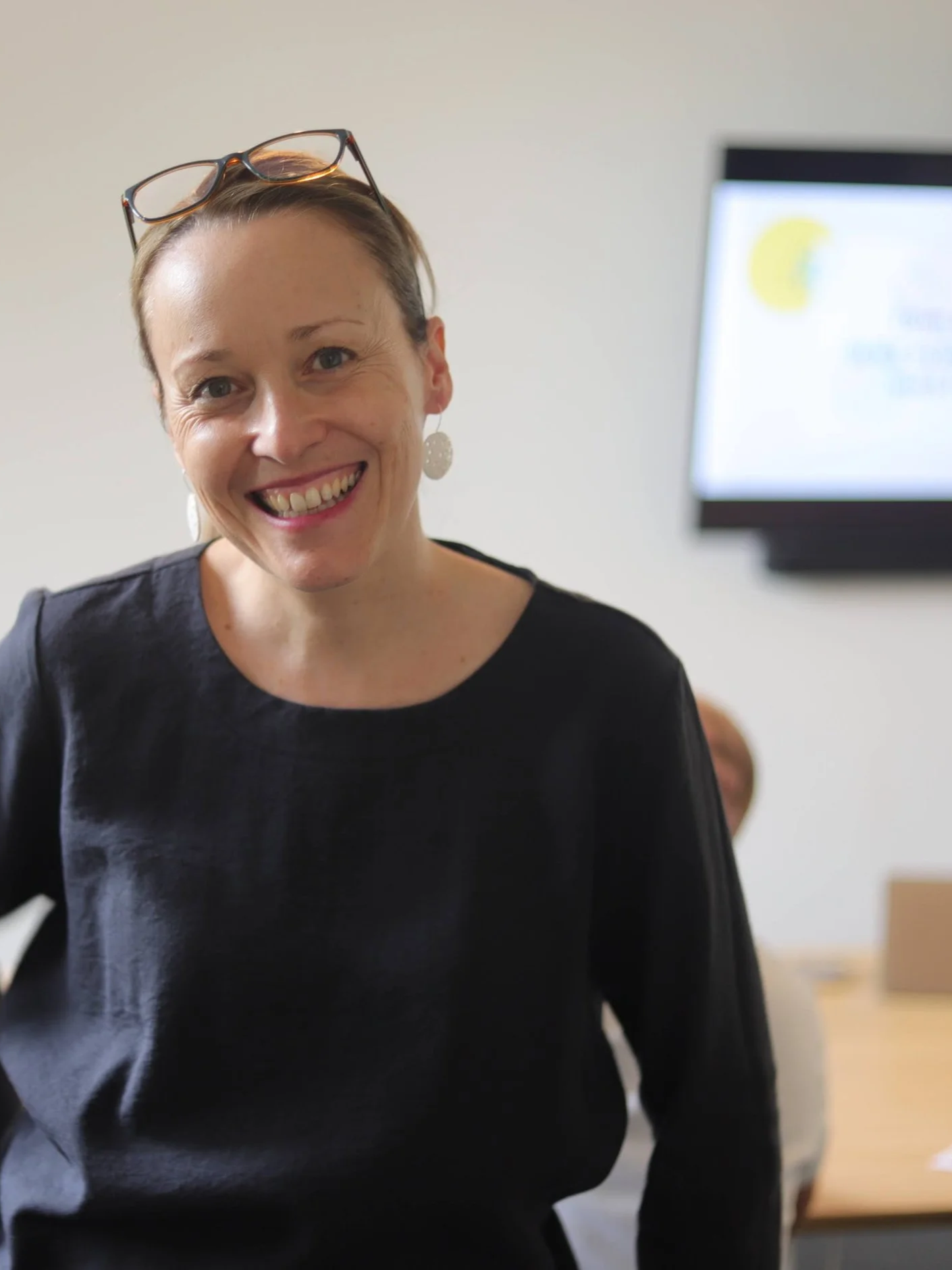
Hi, I’m Erika McInerney - a marketing and customer experience strategist working with regional, suburban and small-town businesses.
I help you see where customers and revenue are leaking, build practical marketing strategies around your real capacity, and create systems that actually support your business (and your life).
Alongside one-on-one work, I partner with councils, business groups and organisations to deliver practical workshops that build marketing capability across entire communities.
If you’re ready for clearer strategy and more confident visibility, you can book a free discovery call, send an email or connect on social media.