There's a supermarket near me. A few, actually.
I don't buy my meat there.
I’m sure it’s fine, but I prefer to go out of my way to support a particular butcher. Let me break down the reasons why as some context for the rest of this article.
Supermarket meat could be from anywhere - overseas, interstate or from farms that don’t have good farming practices.
It might have been frozen.
I have no idea whether the farmers who raised it were paid fairly.
The labels tell me very little that I actually care about.
It’s not even cheaper these days.
The supermarket wins on exactly one thing - convenience. Once I realised that, I stopped.
My favourite butcher is further away. Getting there requires actual planning - no quick dash on the way home, no throwing it in the trolley with everything else. I make a list and I make a trip. Here’s why:
The meat is exceptional quality.
All the meat comes from farms in my region - farms I know, some families I've met.
It’s fresh, not frozen and it hasn’t travelled very far.
When I buy a leg of lamb there, I could ask which farm it came from and they would be able to tell me.
I know the owners of the business.
They are flexible - if I go in while the butchers are still there, I can ask for cuts that aren’t in the fridge.
They sponsor sporting clubs and regularly donate sausages for fundraising.
When I spend money there, I know most of it stays in the local community.
These are not marketing lines, they are facts that change how I feel about the purchase entirely. I learned all this simply through experience with them.
So I go out of my way. Every time. Without really questioning it anymore.
Imagine if you had more customers like me…
How to build stronger relationships with your customers
Most businesses rarely stop to ask the right questions, because they are constantly being sent off track chasing reach and views and trying to please algorithms. We're obsessed with being found. We should be obsessed with being chosen.
Every business owner I work with wants more visibility. More reach. More people knowing they exist, and that's not wrong - visibility matters. But visibility is just an invitation and it’s what happens after the invitation that can make all the difference.
The right questions - the ones you should be asking and answering - they will differ from business to business, but might include: “Am I the one people plan for? Or am I the one they default to because it's convenient.
Convenient is good, but if you can be dropped the moment something easier comes along, you’ve got some work to do.
What actually changes customers’ habits?
I’ll tell you what doesn’t - not a top performing post, not a boost, not a new logo.
What changes habits is the repetition of a good experience.
That's it. That's the whole secret.
Habit isn't formed by awareness, it's formed by return and return is earned by what it feels like to deal with you.
Understanding the habit loop - and why it matters more than your marketing budget
Behavioural science has known this for decades. Habits form through a loop: cue, routine, reward.
Here's how it works:
The cue is the trigger. Something happens that creates a need - a near-empty fridge, a birthday coming up, a leaking tap, a stressful week that calls for a good meal. The cue doesn't come from you. It comes from your customer's life.
The routine is the action they take in response. This is the part most business owners miss: people repeat whichever routine felt easiest and most rewarding last time. Not the business with the best Instagram grid. Not the one who spent the most on ads. The one that felt good to do business with.
The reward is what they get - and it's not just the product or service. It's the feeling. Confidence that they made a good choice. Relief that it was easy. Pleasure in the quality. Pride in supporting something they believe in.
When all three of those things stack up consistently - cue, routine, reward - habit forms.
Your business stops being something they choose consciously and starts being something they just do.
That's the goal. That's what "going out of their way" actually looks like from the inside.
The part you can't skip - staying in the cue
Here's the uncomfortable truth about habit formation. It takes repetition. More than you think. Research suggests a new behaviour needs to be repeated anywhere from 18 to over 60 times before it becomes automatic and that's for motivated people trying to form a habit deliberately.
Now consider this - your customers are not even trying to form a habit with your business. They're just living their lives.
Which means if you want to become part of their routine, you have to keep showing up until you are. Not in a pushy way. Not in a "post every day and hope someone notices" way, but in a way that puts you gently, usefully, repeatedly back in front of them at the moment the cue is likely to fire.
This is where most small business marketing falls apart. You get a customer. They have a good experience and then... nothing. You move on to finding the next one, and they move on with their life, and the habit never forms because the repetition never happened.
The businesses that build genuine loyalty aren't necessarily doing more marketing. They're doing smarter follow-through.
What "staying in the cue" actually looks like
There are stacks of ways to keep yourself in a customer's orbit without being annoying about it. The best ones add value every time they appear - so your customer is glad to hear from you, not just tolerating you. Here are a few ideas - if you want something more specific and strategic, reach out - this is my zone of genius.
Get them onto an email list. Not to blast them with promotions, but to stay in their world with something worth reading.
A recipe. A how-to. A story about where something came from. An idea that's useful regardless of whether they buy anything.
Email is the only channel you own outright - no algorithm decides whether they see it. And a well-written email from a business you love feels completely different to a social media ad from one you've never heard of.
Follow up after the purchase. This is the most underused moment in small business.
A simple "how did it go?" message - whether that's an email, a note in the bag, a text if you have their number - does something powerful. It shows you care about the outcome, not just the transaction. It keeps you in their mind at the exact moment the reward part of the habit loop is fresh. And it opens a door for them to tell you something useful, or to come back.
Give them a reason to return before they need one. The butcher who includes a recipe card with a cut of meat you've never tried before. The accountant who sends a quick tax tip in July unprompted. The homewares shop that emails inspiration for how to style the thing you just bought.
None of these are hard sells. All of them put you back in the cue at a moment when buying feels natural - because you've just reminded them of something they want.
Make the next visit easy to imagine. When a customer leaves - physically or digitally - do they know what to do next time?
Not because you've pushed them, but because the experience made the next step obvious. A loyalty card. A "we get new stock on Thursdays" mention at the counter. A follow-up email with "here's what we have coming up." Small signals that say: we're still here, and here's when to come back.
The question I use with every client who wants to build their returns and referrals
When I'm working with a business on their customer experience, I always start with this:
"Walk me through what happens from the moment someone decides they might need you, to the moment they pay you and then what happens after that."
Nine times out of ten, somewhere in that walk-through, my client pauses.
There's a moment where the answer is: "I'm not actually sure."
Or: "They'd have to figure that out themselves."
Or, (most commonly): "We don't really do anything after that."
That pause is where the habit-building happens - or doesn't.
The businesses people go out of their way for have usually done the hard work of thinking through every one of those moments and making them better. Not perfect. Just intentional.
Where to start
You don't need to overhaul everything. You need to find your pause.
The Customer Ease Map is a tool I created to help you do exactly that - walk your own customer journey and spot the moments that are quietly costing you return business without you even realising it.
Download it, sit with it for an hour or two, and see what comes up. Most people find at least two or three things they can improve immediately, for free.
Or if you'd rather work through it with someone alongside you - that's exactly what a strategy session with me is for. We'll map it together and you'll leave with a clear picture of what to improve, in what order, and why. Book an Action Hour to get started and from there we can build your strategy.
Because the goal isn't more marketing. It's a business people choose again and again and again.
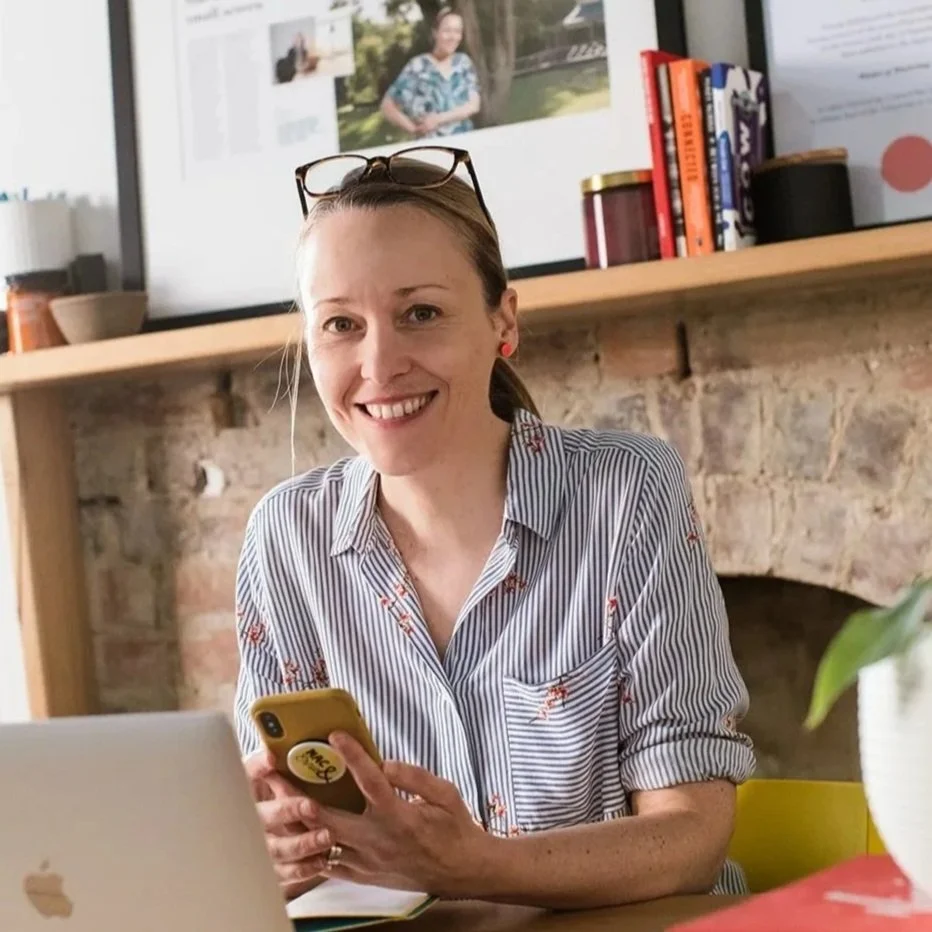
Hi, I’m Erika McInerney - a marketing and customer experience strategist working with regional, suburban and small-town businesses.
I help you see where customers and revenue are leaking, build practical marketing strategies around your real capacity, and create systems that actually support your business (and your life).
Alongside one-on-one work, I partner with councils, business groups and organisations to deliver practical workshops that build marketing capability across entire communities.
If you’re ready for clearer strategy and more confident visibility, you can book a free discovery call or send an email.